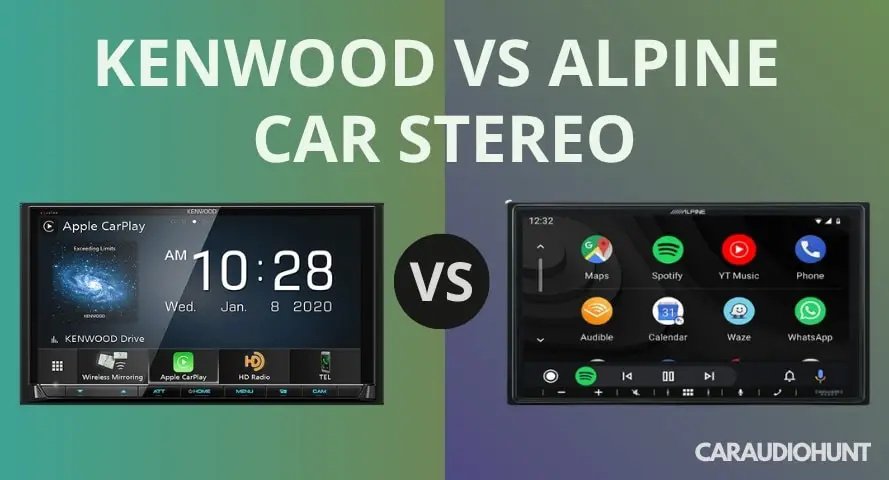
Choosing between Kenwood and Alpine car stereos can feel like comparing two masters of precision. Both brands dominate the high-end audio market, yet their focus and sound philosophies couldn’t be more different. After comparing their latest car stereos, I’ve learned that Kenwood builds around warmth, practicality, and expandability, while Alpine chases sonic purity, minimalist design, and high-fidelity playback.
In this guide, I explain what truly matters when picking your next car stereo system. You’ll get a full look at how each brand performs in sound tuning, connectivity, design quality, navigation performance, and overall value. I’ve also lined up model-to-model comparisons across single-DIN, double-DIN, navigation, and floating-display categories to show you where Kenwood pulls ahead and where Alpine truly shines.
So, without further ado, let’s get into the Kenwood vs Alpine car stereo showdown and find out which one deserves a spot on your dashboard.
In This Article
- Kenwood vs Alpine Car Stereo Brand Overview
- Kenwood vs Alpine: Quick Comparison Table
- In-Depth Comparison: Alpine vs Kenwood Car Stereos
- Product by Product: Kenwood vs Alpine Stereo Models Compared
- So, Kenwood or Alpine - Which One Should You Finally Choose?
- FAQs – Kenwood vs Alpine Car Stereo
- Final Wrap-Up
Kenwood vs Alpine Car Stereo Brand Overview
Before getting into comparisons, it’s worth knowing what defines Kenwood and Alpine. Both build excellent head units but follow different philosophies in sound, features, and user experience.
Kenwood at a Glance
Kenwood car stereos have built a strong reputation for performance, versatility, and reliability through the Excelon and Excelon Reference lines. These head units are known for their warm, balanced sound signature and flexible tuning options that suit everything from daily drivers to high-end custom builds.
Kenwood receivers consistently stand out for dependable build quality, strong navigation performance, and seamless wireless integration with Apple CarPlay and Android Auto. They offer a practical balance between advanced functionality and ease of use, which is why so many installers and enthusiasts continue to trust the brand.
What Make Kenwood Standout
What Are Kenwood's Limitations
Alpine at a Glance
Alpine head units and receivers have earned their place among audiophiles and design-conscious users by focusing on pure sound reproduction and sleek, modern aesthetics. If you prioritize crystal-clear, high-resolution playback, Alpine car stereos deliver an unmatched listening experience. I’ve often seen Alpine systems chosen by drivers who want to not only hear their music but feel every detail of it.
Their Halo Series floating displays are especially iconic, blending form and function with premium touchscreens that enhance any dashboard. While Alpine systems generally sit at a higher price tier, they offer exceptional long-term value through clarity, refinement, and visual appeal.
What Make Alpine Standout
What Are Alpine's Limitations
Kenwood vs Alpine: Quick Comparison Table
If you’re short on time or just want a quick overview, this side-by-side car stereo comparison highlights the core differences between Kenwood and Alpine. Use it as a starting point to see which head unit fits your sound preferences, setup goals, and budget.
Feature | Kenwood | Alpine |
|---|---|---|
Sound Quality | Balanced, warm, audiophile tuning | Crystal-clear, pristine, Hi-Res clarity |
Connectivity | Excellent wired/wireless CarPlay & Android Auto | Strong CarPlay/Android Auto with Hi-Res audio |
Build Quality | Rugged, premium construction | Sleek, high-end materials |
Price Range | Mid to High | High only (fewer budget options) |
Ideal User | Audiophiles seeking flexibility | Purists wanting best clarity and design |
In-Depth Comparison: Alpine vs Kenwood Car Stereos
Let’s dive deeper into how these two brands perform where it truly matters. From my experience comparing their systems, each one brings its own strengths in sound tuning, connectivity, design quality, and installation ease.
Sound Quality Showdown: Kenwood vs Alpine
Sound tuning is where both car stereo brands excel, though they take different approaches.
Kenwood’s Excelon head units produce a warm, lifelike sound that suits a wide variety of genres. The natural midrange tone works well for acoustic music, classic rock, and vocals, offering a realistic and enjoyable everyday listening experience.
Alpine receivers are tuned for accuracy and precision. With high-end DACs and support for lossless formats, they deliver stunning clarity, excellent stereo separation, and clean highs. Audiophiles who prioritize detail and definition over warmth often prefer Alpine for its Hi-Res sound reproduction.
Verdict: Choose Kenwood for relaxed, rich, and natural playback. Go for Alpine if you want crisp, detailed sound and pinpoint imaging.
Connectivity and Features: Alpine vs Kenwood
Modern car stereos are more than just music players — they’re the control centers of your drive.
Kenwood receivers pack in advanced DSP tuning, FLAC file support, HD Radio, and seamless wired or wireless integration for Apple CarPlay and Android Auto. Many models, especially in the Excelon DNX line, also include built-in Garmin navigation for accurate, on-road guidance.
Alpine head units keep pace with strong Hi-Res file support, aptX Bluetooth, and powerful EQ customization. The Alpine Halo Series stands out for blending technology and style, which offers premium display designs that merge elegance with function.
Verdict: Kenwood leads in connectivity and versatility. Alpine wins in Hi-Res playback quality and display innovation.
Build Quality and Aesthetic Design Comparison
Not all head units are built the same.
Kenwood stereos are known for sturdy construction, reliable buttons, and smooth screen response. The tactile quality of Excelon receivers gives a premium feel while maintaining long-term durability.
Alpine stereos focus on modern luxury. The floating screens look almost factory-installed in high-end vehicles and offer crisp visuals with superior touch accuracy. Fit, finish, and materials feel exceptionally refined.
Verdict: Kenwood wins for rugged dependability and long-term durability. Alpine takes the lead in materials, styling, and overall design appeal.
Installation Experience and User Interface
A good car stereo receiver should be as easy to install as it is enjoyable to use.
Kenwood units are straightforward to mount and configure. Their wiring harnesses are well-labeled, and the software interface becomes intuitive once you get used to its layout.
Alpine head units may take more time to install because of bracket depth and positioning requirements. However, once set up, their interface feels refined, responsive, and visually engaging.
Verdict: Kenwood is more beginner-friendly for DIY installers. Alpine takes longer to install but rewards you with a polished and professional interface.
Pricing and Value Analysis
When it comes to value, both Kenwood and Alpine serve different buyer priorities.
Kenwood receivers offer excellent features across a wide price range. You can find advanced DSP, wireless CarPlay, and navigation support even in models under $700, making it a strong choice for balanced performance and affordability.
Alpine, meanwhile, targets the premium segment. While fewer budget models exist, each Alpine head unit feels refined, delivering superior audio purity, display quality, and design finesse — perfect for those building an audiophile or show-quality setup.
Verdict: Kenwood provides stronger value for everyday drivers. Alpine offers a high-end experience for users who want the absolute best in sound and aesthetics.
Product by Product: Kenwood vs Alpine Stereo Models Compared
Choosing between Kenwood and Alpine car stereos often comes down to specific models and the kind of setup you’re planning. To make that easier, I’ve matched direct competitors across all major categories so you can see how each stereo performs in real-world conditions.
1. Kenwood vs Alpine Single DIN Digital Media Receivers
Feature | Kenwood KMM-X705 eXcelon | Alpine UTE-73BT |
|---|---|---|
Image |
|
|
Sound Profile | Balanced tuning with DSP control | Clear highs with less low-end depth |
Connectivity | Bluetooth, USB, 13-band EQ | Bluetooth, USB, basic EQ |
Verdict | Offers better tuning flexibility and audio customization | Simpler interface with clean, focused sound |
Price |


2. Kenwood vs Alpine Double DIN Digital Media Receivers
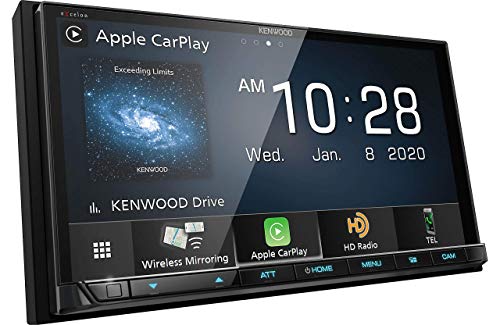
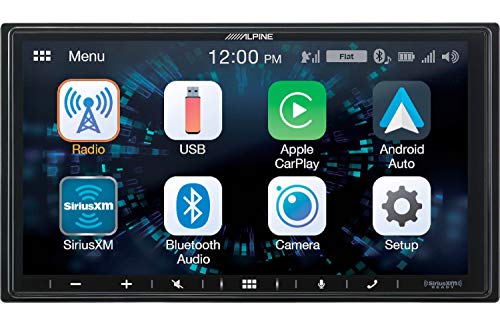
Feature | Kenwood’s DMX907S | Alpine’s iLX-W650 |
|---|---|---|
Image |
|
|
CarPlay/Android Auto | Wireless and Wired | Wired only |
Screen | 6.95" Capacitive | 7" Capacitive |
Verdict | Offers better connectivity and stronger EQ control | Sleeker, compact design for smaller dashboards |
Price |
Feature | Kenwood DNX997XR | Alpine INE-W970HD |
|---|---|---|
Image |
|
|
GPS & Mapping | Garmin maps with real-time traffic updates | Built-in GPS with offline navigation |
Interface | Fast UI with multi-view camera support | Clean, simplified navigation layout |
Verdict | Offers deeper navigation and mapping integration | Great for standard GPS use without extra features |
Price |


4. Kenwood vs Alpine Floating Display Head Units
Feature | Kenwood eXcelon DMX1057XR | Alpine Halo11 (iLX-F511) |
|---|---|---|
Image |
|
|
Screen | 10.1" HD anti-glare display | 11" HD edge-to-edge glass display |
Aesthetics | Clean, dashboard-integrated design | Premium floating look with modern appeal |
Verdict | Perfect for seamless, OEM-style installations | Best for visual impact and high-end aesthetics |
Price |


So, Kenwood or Alpine - Which One Should You Finally Choose?
Choosing between Kenwood and Alpine car stereos really depends on your listening habits, installation goals, and overall budget. Both brands are top performers, but they cater to slightly different audiences and preferences.
If you prefer warm, rich audio with deep tuning control, flexible pricing tiers, and reliable navigation integration, I'd recommend Kenwood. Its Excelon receivers offer advanced DSP options, Garmin-powered GPS, and a balance between usability and customization that suits both casual and experienced users.
If you’re chasing unmatched sound clarity, stunning display aesthetics, and high-end Hi-Res performance, Alpine is your brand. Its Halo head units stand out for premium design and lifelike sound reproduction that appeals to serious audiophiles.
My Quick Recommendations:
- Daily Driver with Balanced Sound → Kenwood
- Audiophile Build with Hi-Res Goals → Alpine
- Navigation-Centric Setup → Kenwood
- Visual Impact Dash Build → Alpine
- Reviews of the best Kenwood car stereos: caraudiohunt.com/best-kenwood-car-stereo
- Reviews of the best Alpine car stereos: caraudiohunt.com/best-alpine-head-unit/
FAQs – Kenwood vs Alpine Car Stereo
Which brand delivers better sound quality, Kenwood or Alpine?
Both deliver impressive audio, but their tuning philosophies differ. Kenwood car stereos sound warm and balanced, while Alpine units emphasize crisp highs and clean midrange detail. From my experience, if you prioritize Hi-Res or FLAC playback, Alpine edges ahead in clarity and precision.
Do both brands support wireless Apple CarPlay and Android Auto?
Yes, but their availability varies. Kenwood includes wireless CarPlay and Android Auto in many mid- to high-tier models, whereas Alpine reserves it for select premium Halo and iLX receivers. If you prefer a cable-free setup, Kenwood gives you more flexibility.
Which brand lasts longer, Kenwood or Alpine?
Both are dependable in long-term use. Kenwood receivers are known for sturdy construction and reliable firmware, while Alpine feels more refined but may need extra care during installation due to unique mounting designs.
Kenwood easily leads here. Its DNX navigation units use Garmin mapping with detailed routes and live traffic updates. Alpine’s built-in GPS works fine, but it’s not as comprehensive for off-grid or frequent travelers.
Are Alpine Halo displays worth paying extra for?
If you value sleek visuals and fluid touchscreen control, definitely. I find the Halo Series transforms any dashboard with its floating design and sharp responsiveness, It's perfect for modern or show-quality builds.
Final Wrap-Up
Both Kenwood and Alpine stand among the top names in car audio, each catering to different types of listeners. If you prefer warm, customizable sound with practical features and easy expandability I’d recommend Kenwood. Its receivers are built for reliability and versatility — ideal whether you’re upgrading your first setup or tuning a complete system.
If you’re chasing elite clarity, sleek aesthetics, and audiophile-level precision Alpine will feel right at home on your dashboard. It’s the brand I often suggest for those who want their system to sound as stunning as it looks.
Still not sure which direction fits you best? Check out my other in-depth comparisons: